
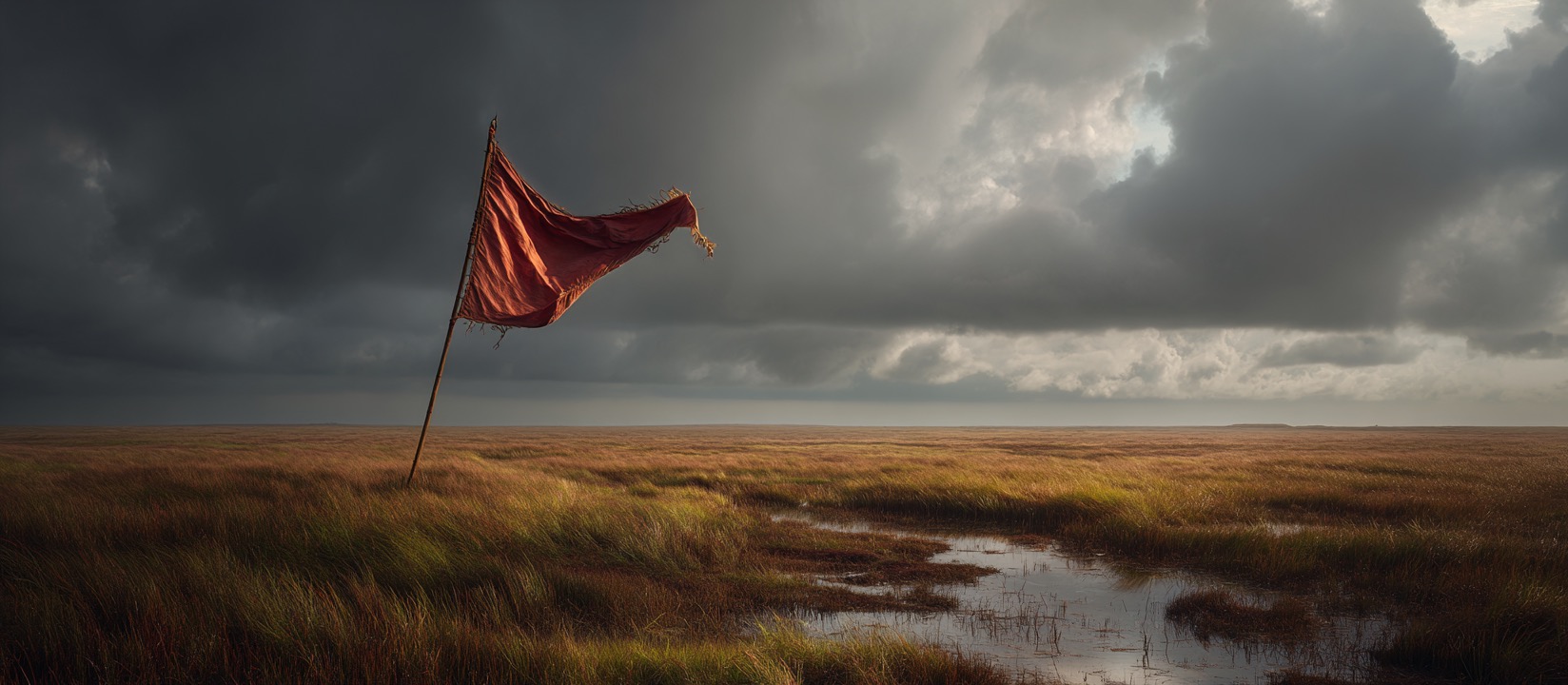
Picture this: You've spent weeks planning your village fête in Norfolk. The weather forecast looked promising, but then comes that familiar East Anglian surprise – sideways rain followed by blazing sunshine, all within the space of an hour. Your carefully printed banners are now soggy, faded, or worse, completely destroyed.
Sound familiar? If you're organising events anywhere from the Norfolk Broads to the Suffolk coast, you'll know that our regional weather doesn't mess about. One minute you're enjoying a lovely spring morning, the next you're battling 40mph winds coming straight off the North Sea.
The good news? Choosing the right banner material can save your event marketing from becoming an expensive weather casualty. Let's walk through the options that actually work in our unpredictable climate.
Understanding East Anglia's Weather Challenges
Before diving into materials, it's worth considering what your banners will face in our corner of England. East Anglia throws some unique challenges at outdoor signage:
Wind exposure is probably your biggest enemy. With relatively flat terrain and proximity to the coast, there's little to break those North Sea gusts. A banner that looks fine on a calm morning can turn into a sail by lunchtime.
Rapid weather changes mean your signage needs to cope with everything. Morning frost, afternoon sun, evening drizzle – sometimes all in the same day. Materials that can't handle thermal expansion and contraction won't last long.
Salt air affects anything within 20 miles of the coast, which covers much of Norfolk and Suffolk. This accelerates wear on certain materials and can cause premature fading.
UV exposure is surprisingly intense during summer months. That East Anglian sunshine might not feel Mediterranean, but it's more than capable of bleaching inferior banner materials.
Heavy-Duty Materials for Challenging Conditions
When you need banner printing in Norfolk that won't let you down, these materials should be your first consideration:
PVC banners remain the gold standard for outdoor events. They're completely waterproof, tear-resistant, and can handle significant wind loading when properly installed. The material flexes rather than fights against gusts, which prevents ripping at fixing points.
Modern PVC banners use UV-stable inks that won't fade quickly, even under direct sunshine. They're also easy to clean – useful when your banner picks up mud from a typical Norfolk field event.
Mesh banners deserve serious consideration for very exposed locations. The perforated material reduces wind loading by up to 50% compared to solid banners. They're particularly effective for sponsors' banners at outdoor sports events or agricultural shows where wind is inevitable.
While you lose some print vibrancy compared to solid PVC, the trade-off in durability often makes sense for permanent or long-term installations.
Reinforced vinyl combines the best aspects of lighter materials with enhanced durability. It's heavier than standard vinyl but includes reinforced edges and eyelets, making it suitable for semi-permanent outdoor use.
Lighter Options That Still Perform
Not every event needs artillery-grade banners. Sometimes you need something more portable or budget-friendly that can still cope with typical British weather:
Polyester fabric banners work well for shorter events or indoor-outdoor transitions. They're lightweight, easy to transport, and surprisingly resilient. The fabric construction means they won't crack in cold weather – useful for those early spring events when temperatures can still drop unexpectedly.
They're also easier to store and reuse, making them cost-effective for regular events like monthly markets or seasonal celebrations.
Waterproof paper banners might sound like an oxymoron, but modern synthetic papers offer genuine weather resistance at a fraction of the cost of PVC. They work well for single-use events lasting up to a week in normal conditions.
However, don't expect them to survive the kind of weather that makes Norfolk locals check their roof tiles.
Weather-Resistant Printing and Finishing Options
The material is only half the story. How your banner is printed and finished makes the difference between success and soggy disappointment:
Eco-solvent and UV-curable inks provide the best outdoor durability. They bond properly with the material and resist fading far better than cheaper water-based alternatives. This is particularly important given East Anglia's high UV levels during summer months.
Heat-sealed hems and eyelets create weather-tight edges. Stitched hems might look neat, but they create entry points for moisture. In our climate, that's asking for trouble.
Welded eyelets rather than simple punched holes distribute stress better and resist tearing. When you're dealing with Norfolk's notorious winds, every fixing point needs to be bomber-proof.
Consider wind slits for large banners in exposed positions. These controlled perforations reduce wind loading while maintaining readability.
Making the Right Choice for Your Event
Your specific needs should drive the material choice, not just the weather forecast:
Short-term events (1-3 days) can usually get away with lighter materials unless extreme weather is forecast. A summer garden party banner doesn't need the same spec as permanent roadside signage.
Regular seasonal events justify investing in heavy-duty materials. If you're running the same Christmas market or summer festival annually, proper PVC banners will pay for themselves over time.
Exposed locations always need premium materials. If your event is on the coast, in a field, or anywhere that catches the wind, don't compromise on banner specification.
Budget constraints don't have to mean poor weather resistance. A smaller banner in the right material often outperforms a large banner in cheap material. Sometimes less really is more.
Remember that replacement costs quickly add up. A banner that lasts three events instead of one effectively costs a third of the price.
Getting Professional Advice
Every event location in East Anglia has its own microclimate and challenges. What works perfectly for a sheltered village green might fail spectacularly at a coastal venue just ten miles away.
Professional banner printing services understand these regional variations. They can recommend materials based on your specific location, event duration, and weather exposure. More importantly, they know which combinations of material, printing, and finishing work reliably in our challenging climate.
Weather-resistant banners aren't just about surviving the elements – they're about maintaining your professional image whatever East Anglia's weather throws at you. Choose wisely, and your message will come through loud and clear, rain or shine.